
Big Ben and Elizabeth Tower: The Story Behind London’s Most Famous Landmark
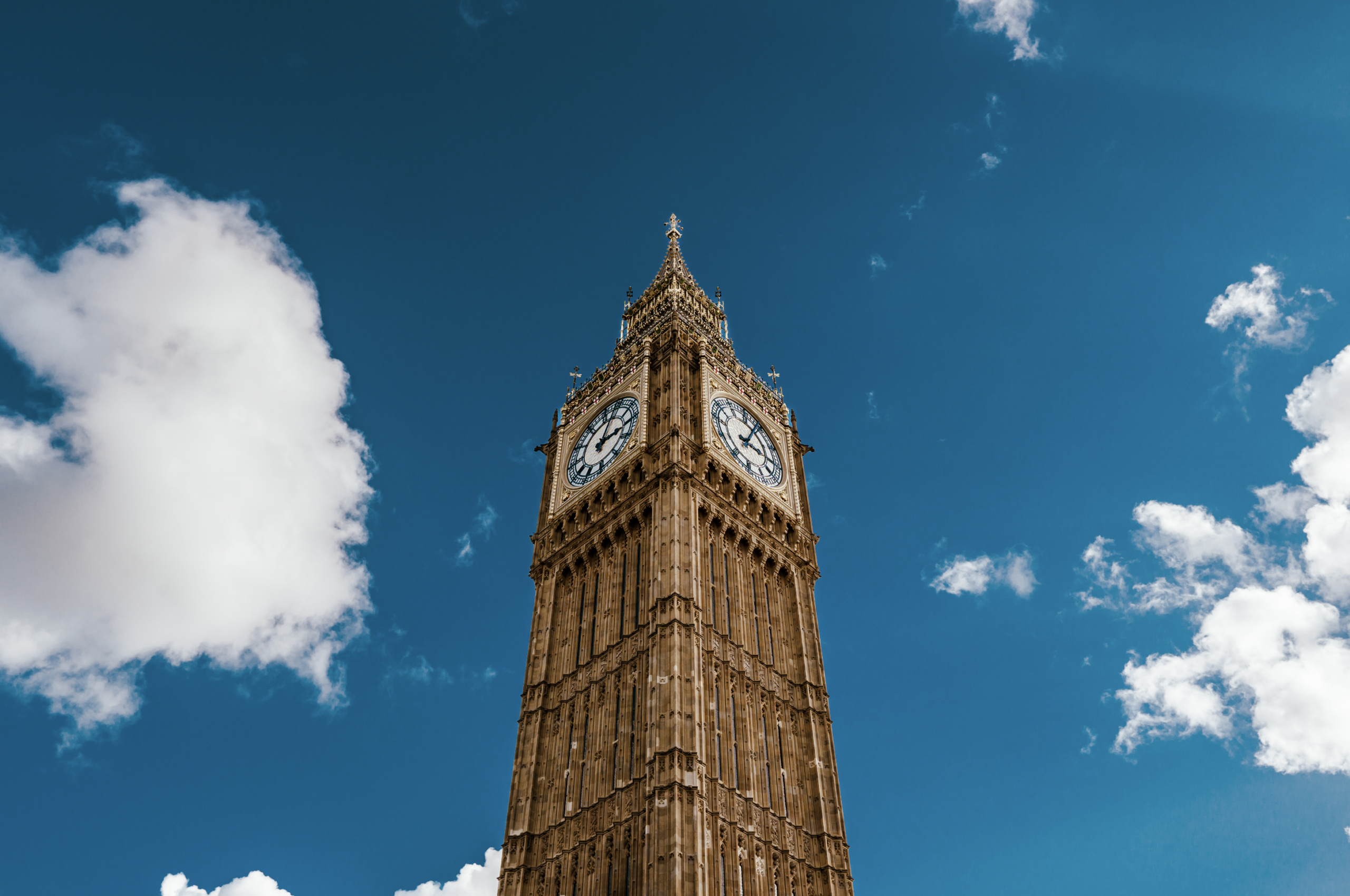
Few landmarks are as instantly recognizable as Big Ben. Whether appearing in movies, television shows, postcards, or travel advertisements, the famous clock tower has become one of the defining symbols of London and the United Kingdom.
Yet despite its worldwide fame, many people don’t realize that Big Ben is not actually the name of the tower itself. The tower is officially known as Elizabeth Tower, while Big Ben refers specifically to the massive bell housed inside the structure.
Standing proudly beside the Palace of Westminster along the banks of the River Thames, Elizabeth Tower has watched over London for more than 160 years. Today, it remains one of the most visited and photographed landmarks in the world.
Is Big Ben the Tower or the Bell?
One of the most common misconceptions about London’s most famous landmark is its name.
Most visitors refer to the entire structure as Big Ben, but technically that is incorrect. Big Ben is the nickname of the Great Bell located inside the tower. The bell weighs more than 13 tons and is responsible for the famous chimes heard around the world.
The tower itself was originally known simply as the Clock Tower. In 2012, it was officially renamed Elizabeth Tower to honor Queen Elizabeth II during her Diamond Jubilee celebration.
While historians and Londoners may appreciate the distinction, most people continue to refer to the entire structure as Big Ben—and it’s easy to understand why.
The History of Elizabeth Tower
The story of Elizabeth Tower begins with disaster.
In 1834, a devastating fire destroyed much of the original Palace of Westminster, which serves as the home of the British Parliament. The destruction created an opportunity to redesign one of the most important political buildings in the United Kingdom.
Architect Charles Barry was selected to oversee the reconstruction of the Palace of Westminster. Working alongside architect Augustus Pugin, Barry incorporated a magnificent clock tower into the new design.
Construction of the tower began in 1843 and was completed in 1859. Rising approximately 316 feet above the surrounding city, the tower quickly became one of London’s most impressive architectural achievements.
Its Gothic Revival design perfectly complemented the Palace of Westminster and helped create one of the most recognizable skylines in the world.
Why Is It Called Big Ben?
The exact origin of the name “Big Ben” remains somewhat uncertain, but historians generally agree on two leading theories.
One theory suggests the bell was named after Sir Benjamin Hall, the government official responsible for overseeing the installation of the bell. Hall was a large man who was affectionately nicknamed “Big Ben” by his colleagues.
Another theory claims the bell was named after Benjamin Caunt, a famous heavyweight boxer who was popular in Britain during the mid-1800s.
Although historians continue to debate the true origin, the name Big Ben quickly became associated with the bell and eventually with the entire tower.
Today, it is one of the most recognizable landmark names on Earth.
The Clock Faces
One of the most impressive features of Elizabeth Tower is its enormous clock.
The tower contains four clock faces, one on each side, allowing the time to be viewed from multiple directions across London.
Each clock face measures approximately 23 feet in diameter, while the minute hands stretch over 14 feet long. The numerals themselves stand nearly two feet tall.
When illuminated at night, the clock faces create one of London’s most beautiful sights and contribute significantly to the city’s iconic skyline.
The clock mechanism is renowned for its accuracy and reliability, helping establish Big Ben as a symbol of precision and dependability.
The Famous Chimes
The sound of Big Ben‘s bells is recognized around the world.
The Great Bell strikes every hour, while a series of smaller bells mark each quarter-hour. These chimes have become one of the defining sounds of London and are frequently broadcast during important national events.
For generations, the bells have marked moments of celebration, remembrance, and national significance.
Millions of people have heard the chimes through television broadcasts, radio programs, documentaries, and films, making Big Ben one of the most familiar sounds in the world.
Big Ben During World War II
Throughout its history, Elizabeth Tower has served as a symbol of resilience.
During World War II, London endured heavy bombing during the Blitz. Although nearby areas suffered significant damage, Big Ben continued operating throughout much of the conflict.
Images of the clock tower standing tall amidst wartime destruction became powerful symbols of British determination and perseverance.
For many citizens, hearing the familiar chimes during difficult times provided comfort and reassurance.
The tower’s survival helped cement its status as not only a landmark but also a national symbol.
The 2012 Renaming
For most of its history, the structure was officially known as the Clock Tower.
However, in 2012, the British government renamed it Elizabeth Tower in honor of Queen Elizabeth II’s Diamond Jubilee, celebrating her 60 years on the throne.
The renaming recognized one of the longest-serving monarchs in British history and connected the tower even more closely to the nation’s royal heritage.
Although the official name changed, visitors around the world still commonly refer to the structure as Big Ben.
Visiting Big Ben Today
For travelers visiting London, Elizabeth Tower remains one of the city’s must-see attractions.
Located in the heart of Westminster, the tower sits beside the Palace of Westminster and across the River Thames from several other major landmarks, including the London Eye.
Some of the best viewing locations include:
- Westminster Bridge
- Parliament Square
- Victoria Embankment
- The South Bank
- River Thames cruises
The surrounding area also places visitors within walking distance of Westminster Abbey, Buckingham Palace, St. James’s Park, and other famous London attractions.
Whether viewed during the day, illuminated at sunset, or glowing against the night sky, Big Ben never fails to impress.
Big Ben in Popular Culture
Few landmarks have appeared in popular culture as frequently as Big Ben.
The tower has been featured in countless films, television shows, books, documentaries, and travel advertisements. It often serves as an instant visual cue that a story is taking place in London.
From action movies and historical dramas to animated films and travel programs, Big Ben has become one of the most recognizable structures in entertainment.
Its image is so closely connected to London that many visitors consider seeing Big Ben in person to be the highlight of their trip.
Why Big Ben Remains a Global Icon
Thousands of landmarks exist around the world, but only a handful achieve true global recognition.
Big Ben and Elizabeth Tower have earned that distinction through a combination of architectural beauty, historical significance, cultural influence, and enduring symbolism.
For more than a century and a half, the tower has watched over London as the city evolved into one of the world’s great capitals. It has survived wars, political change, technological revolutions, and social transformation while remaining one of Britain’s most treasured landmarks.
Today, Big Ben continues to welcome millions of visitors every year and remains one of the most photographed attractions on Earth.
Whether you’re planning a trip to London or simply dreaming about future travels, no image captures the spirit of the city quite like the silhouette of Elizabeth Tower rising above the River Thames.
For many travelers, London begins the moment they see Big Ben.
One Response
[…] Big Ben and Elizabeth Tower […]